
InsightsNarrative DesignContent Operations
Why B2B SaaS Content Fragments at Scale (And What Column Five's Solutions Include to Fix It)
Learn why B2B SaaS content fragments at scale and what Column Five's solutions include to encode your brand POV and build an AI-enabled content system.

Well-funded B2B SaaS and AI companies often hire agencies to ramp up content production, only to find six months later that their messaging has watered down into generic category noise. Column Five solves this problem of brand drift and disconnected production by combining brand strategy, content creation, and AI-enabled content systems across two core engagement models. Most SaaS content programs stall because of three root causes: an unencoded brand point of view (POV), tactical production silos, and a lack of AI search optimization. Across engagements ranging from an eight-week Brand Development sprint to ongoing Content System Implementation, Column Five encodes a company's unique story into a scalable system—delivering research-backed thought leadership, multi-quarter content roadmaps, custom interactive content, and motion graphics operated alongside in-house teams or on a client's behalf from Series A through IPO.
How brand drift derails B2B SaaS and AI growth
When a software company scales past its initial product-market fit, publishing volume tends to outpace strategic clarity. Marketing teams ship blog posts, white papers, and social campaigns that repeat the same category buzzwords as every competing vendor in martech, fintech, cybersecurity, or AI infrastructure.
That sameness carries a direct pipeline cost. Enterprise buying committees evaluate vendors long before booking a demo, and if your assets sound indistinguishable from the rest of the market, you lose visibility in both traditional search results and AI answer engines. As The Pedowitz Group's analysis of mid-market SaaS positioning notes, software buyers expect creative partners and vendors to demonstrate genuine technology comprehension and buying-committee personalization rather than surface-level copy.
The common reflex is to hire more freelance writers or contract a production-only shop to double monthly output. Adding more disconnected voices without a shared brand system accelerates fragmentation, leaving sales teams with decks and articles that contradict the core product narrative. Building messaging that holds up under scale requires deliberate brand messaging practices that convert enterprise buyers rather than raw word count.

Why traditional agency engagements fail software brands
As a B2B content marketing agency with 15+ years of experience working with SaaS and AI companies—including Instacart, Databricks, Vercel, HubSpot, and Uber—Column Five has seen the same structural breakdown across fast-growing tech teams. Traditional agencies fail software brands because they treat strategy and execution as separate transactions.
Separating brand story from daily content execution
Most agencies sit in one of two camps: brand consultancies that hand over a static PDF deck and walk away, or content mills that churn out articles without questioning your positioning. When your messaging guidelines live in a slide deck no writer opens, every new campaign drifts further from your original thesis.
Column Five closes that gap by sharpening your unique POV and encoding it directly into an operational system. Our leadership team—including Content Marketing Director Katy French, who has spent 15+ years educating B2B marketers, and strategist Travis Keith, who brings 14+ years of agency experience connecting content strategy and sales enablement to business growth—builds programs where every deliverable reinforces the same commercial narrative.
Treating AI as an ad-hoc shortcut instead of an encoded system
Many SaaS marketing teams hand generative AI prompts to individual contributors without shared governance, voice rules, or factual guardrails. The predictable outcome is high-speed mediocrity that fails to earn citations in AI search engines and erodes buyer trust.
Instead of treating AI as a shortcut for generic drafts, Column Five connects your visual and verbal foundation to AI-augmented production, governance, and a steady operating rhythm. You can read more about how structured workflows outperform ad-hoc vendor output in our breakdown of traditional agencies versus SaaS content systems.
Misdiagnosing a positioning problem as a volume problem
When pipeline slows down, demand generation leaders often request more top-of-funnel blog posts. Yet if your underlying category stance is blurry, tripling output only amplifies a weak signal.
Fixing stagnation requires diagnosing whether buyers actually understand why your architecture, workflow, or economic model beats the status quo. Until that story is sharp, extra production capacity wastes budget.
What Column Five's B2B SaaS content marketing solutions include
Column Five delivers B2B content marketing through two structured engagements priced by scope rather than by the hour. Clients typically start with whichever need is most urgent and move from foundational brand work into ongoing system operation once the strategy is encoded.
| Engagement Model | Typical Duration & Minimum | Investment Range | Primary Focus |
|---|---|---|---|
| Brand Development | 8-week engagement | Starting at $50K | Sharpening POV, verbal and visual identity, and messaging foundation |
| Content System Implementation | 3-month minimum | $25K–$100K per month | Encoding the content system, multi-format production, and ongoing governance |
Here is the sequence Column Five uses to build a scalable SaaS content engine:
- Sharpen your brand point of view and map a multi-quarter Content Roadmap tied to revenue milestones.
- Encode your verbal and visual rules into an AI-enabled content system with clear governance.
- Produce research-backed Thought Leadership and executive insights that earn authority with enterprise buyers.
- Deploy motion graphics, explainer videos, and custom interactive content to translate complex software for buying committees.
Step 1: Sharpening your brand POV and multi-quarter content roadmap
Every engagement starts by isolating the story only your company can tell. Rather than chasing broad keywords, strategists define the specific industry tension your software resolves and build a Content Roadmap scheduled over multiple quarters so marketing stays connected to product launches, fundraising milestones, and sales priorities.
During this phase, we also run Research and Insights work to ground editorial bets in audience data rather than internal guesswork. You can review the full scope of these foundational offerings on our Content Strategy Services page.
Step 2: Encoding your story into an AI-enabled content system
Once your positioning is sharp, Column Five codifies your visual and verbal foundation into a repeatable AI-enabled content system. This includes a Marketing AI Strategy built to raise production efficiency, protect brand voice, and optimize assets for both traditional search rankings and AI answer engines without relying on generic templates.
By setting explicit editorial standards and governance rules upfront, internal teams and agency partners can scale output across channels without introducing brand drift. Our Column Five Services overview details how these system layers connect across SaaS and AI organizations.
Step 3: Producing thought leadership and research-backed insights
Enterprise software buyers rarely convert on surface-level listicles. Column Five builds Thought Leadership programs anchored by original research reports, executive articles, and sharp opinion pieces that give senior decision-makers a reason to trust your leadership team.
Consistent research-backed publishing gives your sales team credible assets to share mid-cycle while building organic authority across search environments.
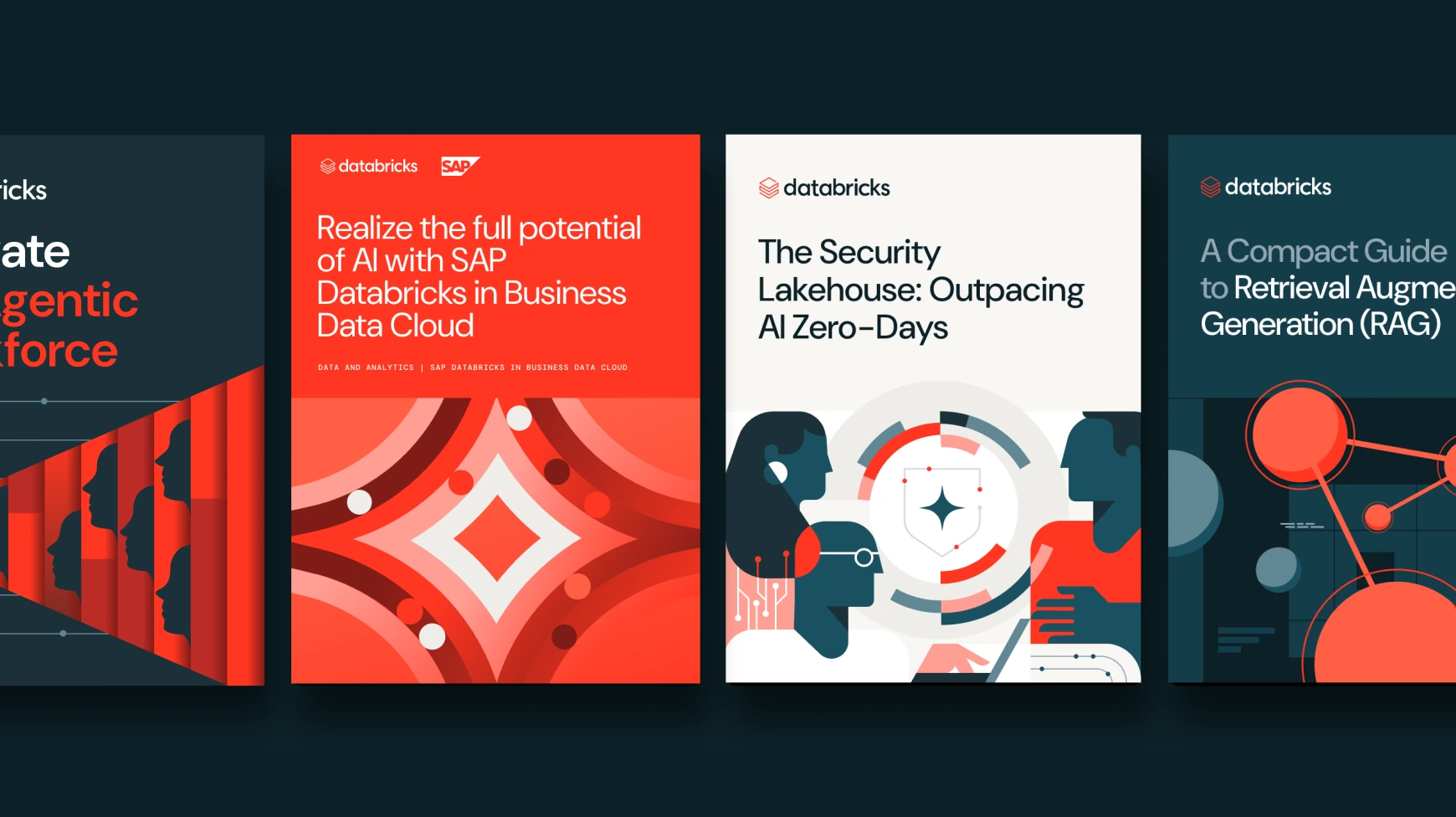
Step 4: Deploying motion graphics, video, and custom interactive content
Complex AI infrastructure and enterprise SaaS workflows often lose clarity in plain text. Column Five's creative team—guided by VP of Creative Strategy Asher Rumack—pairs editorial strategy with motion graphics, explainer videos, and custom interactive content tailored for tech startups and enterprise software brands.
Combining visual and auditory storytelling helps technical buyers grasp product architecture in minutes rather than pages. Explore how we approach these formats in our collection of explainer video examples and our guide to creating attention-grabbing interactive content.
Red flags that your in-house team needs a systems partner
Even strong internal marketing teams hit a ceiling when company growth outpaces their operational tooling. Watch for these warning signs that ad-hoc freelancers or DIY workflows are no longer enough:
- You are preparing for post-Series A or Series B expansion, an enterprise push, or an IPO, and your website and sales collateral tell conflicting stories.
- Product marketers struggle to translate dense AI infrastructure or technical capabilities into clear narratives that resonate with non-technical CFOs and procurement leads.
- Pipeline is stalling because enterprise buyers are forming their vendor shortlist from AI search summaries and peer research before ever speaking with your sales team.
- Your team spends more time rewriting off-brand contractor drafts than shipping strategic campaigns.
- Content analytics show rising traffic on top-of-funnel posts with flat conversion rates on high-intent product pages.
If two or more of those symptoms match your current quarter, evaluating an external systems partner is worth the conversation. We break down the budget and staffing trade-offs in our guide on deciding between a content marketing agency and an in-house team, and you can download The B2B Content Marketing Agency Scorecard Template from our Resources page to vet partners systematically.

How to keep your content engine compounding without brand drift
Launching a content system is only half the work; keeping it sharp across quarters requires disciplined governance. Under Column Five's Content System Implementation model, our team either operates the engine on your behalf or works directly alongside your internal marketers so every new campaign builds on the last.
Regular editorial audits, quarterly roadmap reviews against product updates, and shared brand governance prevent new hires or external contributors from diluting your voice under deadline pressure. Over multiple quarters, that consistency compounds in organic visibility, AI search citations, and buyer recognition—outcomes we examine further in our piece on the benefits of a long-term content strategy.
If you are ready to replace fragmented vendor output with a cohesive B2B SaaS content engine, explore Column Five's Content Strategy Services, review our documented outcomes across SaaS and enterprise tech on the B2B Marketing Case Studies page, or visit columnfivemedia.com to start a conversation with our team.

